
On Cloud Shoes Compared With Traditional Running Shoes
Running shoes are no longer designed only for competitive athletes. Many people now want footwear that supports running, walking, commuting, and long hours of daily use. This shift in expectations has brought increased attention to on cloud shoes, which are often discussed alongside—but separate from—traditional running footwear.
Table of Contents
This article explains how on cloud shoes differ from conventional running shoes by focusing on design principles, comfort behavior, performance use cases, durability expectations, and overall practicality. The goal is not to declare a single winner, but to clarify which option suits different types of users.
1. Design Philosophy and Construction
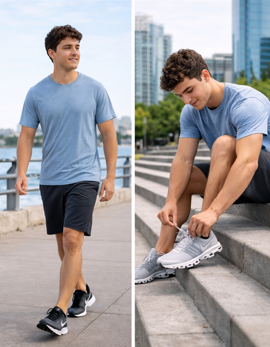
The defining characteristic of on cloud shoes is their segmented sole structure. Instead of a continuous foam midsole, the outsole is divided into individual cushioning elements that compress independently. This construction is intended to respond to natural foot movement rather than forcing a fixed landing pattern.
Traditional running shoes generally use layered foam systems combined with stabilizing components. Their structure is usually more uniform, which provides predictable cushioning across the entire foot. This approach has been refined over decades and remains popular among runners who prefer consistency.
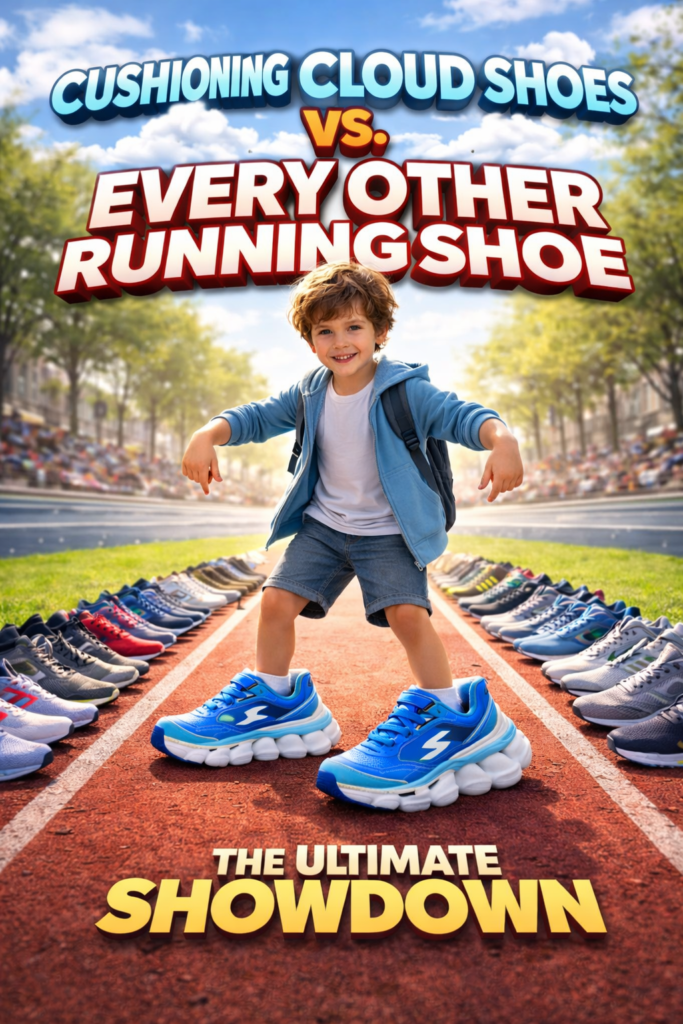
The difference, therefore, is philosophical: on cloud shoes focus on adaptive movement, while traditional shoes emphasize controlled support.
2. Cushioning Behavior and Impact Absorption
Cushioning is often described in subjective terms, but its behavior can be observed in use. On cloud shoes tend to feel firm at rest and softer during motion. The cushioning activates most noticeably during landing and transitions quickly into forward movement.
In contrast, many traditional running shoes provide constant softness regardless of pace or stride. This can feel more protective during long-distance running but may reduce ground feedback.
For users who value responsiveness over softness, on cloud shoes may feel more efficient. For those prioritizing maximum shock absorption, traditional designs may feel more forgiving.
3. Performance in Real-World Use
Performance depends heavily on context. On cloud shoes are commonly used for short to medium runs, gym training, walking, and everyday movement. Their lightweight construction and flexible sole make them suitable for varied daily activity.
Traditional running shoes often perform better when the activity is clearly defined. Long-distance road running, marathon training, and trail conditions typically benefit from shoes engineered for those specific demands.
Rather than replacing traditional running shoes, on cloud shoes occupy a middle ground between athletic footwear and lifestyle footwear.
4. Fit, Weight, and Upper Materials
Most on cloud shoes are designed with a streamlined silhouette. This results in lower overall weight and a close-fitting upper. Breathability is usually adequate for daily use, though fit can feel narrow for some foot shapes.
Traditional running shoes are produced in a wider range of fits and widths. This makes them easier to match with individual foot anatomy, especially for runners who require extra room or structured support.
Fit preference often determines satisfaction more than cushioning technology.
5. Durability and Usage Expectations
Durability depends not only on materials but also on usage patterns. On cloud shoes tend to perform best on smooth surfaces such as pavement, gym floors, and indoor environments. Their segmented soles may show wear sooner when exposed to rough terrain.
Traditional running shoes usually feature reinforced outsoles designed for repetitive impact over long distances. For high-mileage runners, this often results in a longer usable lifespan.
Understanding how often and where the shoes will be used is essential when evaluating durability.
6. Appearance and Practical Versatility
A key reason for the popularity of on cloud shoes is their neutral appearance. They are often worn outside of athletic settings without drawing attention, making them suitable for work, travel, and casual wear.
Traditional running shoes tend to look more technical. While this has no effect on performance, it limits how comfortably they integrate into everyday wardrobes.
For users seeking one shoe for multiple purposes, visual design plays a meaningful role.
7. Cost Considerations and Value
On cloud shoes are typically positioned in the higher price range. Their value lies in versatility rather than specialization. Buyers are paying for a shoe that can serve multiple roles.
Traditional running shoes offer broader pricing options. Entry-level models can be affordable, while advanced models command premium prices due to performance-focused engineering.
Value should be measured by use frequency rather than price alone.
Choosing the Right Option
8. On cloud shoes may be appropriate if:
- Running is part of a broader daily activity routine
- Lightweight design and adaptability are priorities
- The shoes will be worn beyond exercise
Traditional running shoes may be more suitable if:
- Running is frequent and distance-focused
- Specific support or stability features are required
- Durability for high mileage is essential
9. Understanding On Cloud Shoes
A system of hollow pods placed along the sole that compress under pressure and rebound as you push forward. Instead of relying on a single slab of foam, on cloud shoes aim to adapt dynamically to how your foot lands. The result is a controlled, responsive feel that appeals not only to runners but also to people who spend long hours on their feet.
Summary
The discussion around on cloud shoes versus traditional running shoes is not about superiority, but suitability. Each option reflects a different approach to movement and comfort. Understanding how these approaches align with individual needs leads to better long-term satisfaction. Ultimately, on cloud shoes don’t replace every running shoe—but they redefine what a modern running shoe can be. The best option depends on how you run, how often you train, and how you plan to wear them beyond the road.
Key takeaway:
- On cloud shoes suit moderate mileage and daily wear
- Traditional shoes handle heavier training loads better
Also, check out the latest update on khabarmanufacturing24x7.com