
Introduction: Why Vedanta Is Suddenly in the Spotlight
Vedanta has become one of the most discussed corporate names in India over the past few years. From investors and analysts to policy watchers and retail traders, everyone seems to be talking about Vedanta. But what exactly is Vedanta, and why has it gained so much attention recently?
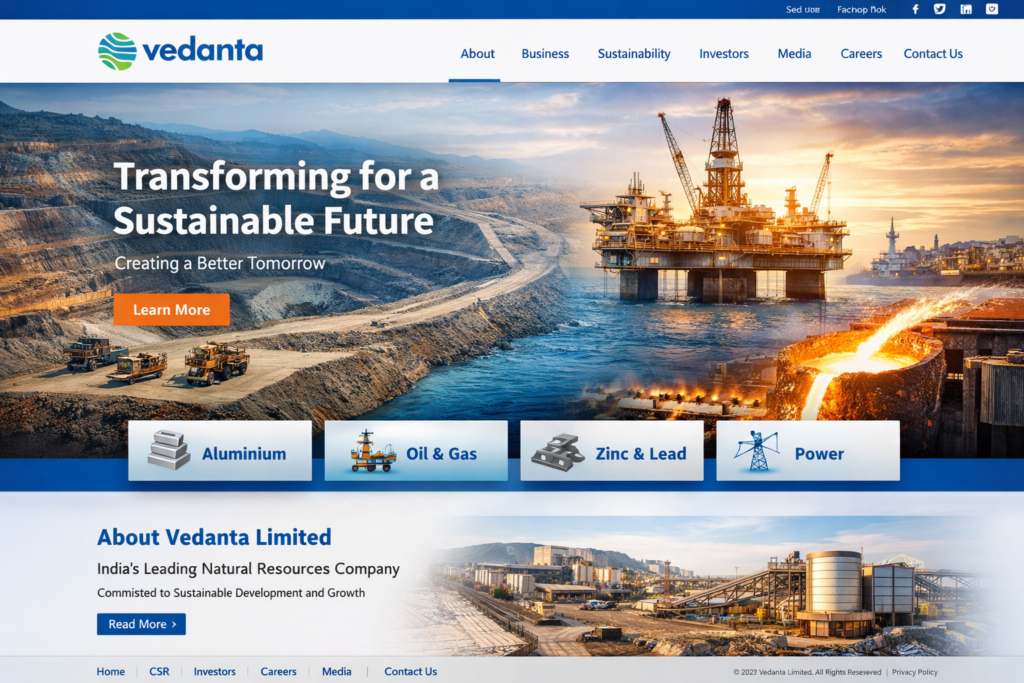
This article explains Vedanta in simple language, covering its business, growth plans, demerger strategy, stock performance, and the reasons behind the sudden buzz.
Table of Contents
1. What Is Vedanta? A Simple Explanation
Vedanta is one of India’s largest natural resources and mining companies. Founded by Anil Agarwal, Vedanta operates across multiple sectors including:
- Zinc and silver
- Aluminium
- Iron ore
- Oil and gas
- Power generation
Vedanta plays a major role in India’s industrial and infrastructure growth. Because it controls critical raw materials, Vedanta is often seen as a backbone company for manufacturing, energy, and construction sectors.
2. Vedanta Group Companies and Business Structure
Vedanta is not just one company; it is a group with multiple major subsidiaries. Some key Vedanta businesses include:
- Hindustan Zinc – India’s largest zinc producer
- Vedanta Aluminium – A major aluminium manufacturer
- Cairn Oil & Gas – One of India’s biggest private oil producers
- Vedanta Power – Thermal and renewable energy assets
This diversified structure allows Vedanta to operate across multiple industries, reducing dependence on a single revenue source.
3. Why Vedanta Is Trending Right Now
The main reason Vedanta is in the news is its demerger plan. The company announced plans to split its businesses into separate listed entities. This move has attracted massive attention from investors because:
- Each business can be valued independently
- Shareholders may receive shares of multiple companies
- Transparency and focus may improve
Apart from the demerger, Vedanta is also trending due to:
- Debt reduction efforts
- Strong dividend history
- Global commodity price movements
4. Vedanta Demerger Explained in Simple Terms
Vedanta plans to split into multiple independent companies focusing on specific sectors such as metals, oil & gas, power, and aluminium.
Why this matters:
- Investors can choose which Vedanta business they want exposure to
- Hidden value may be unlocked
- Management focus improves
Many market experts believe this demerger could be a turning point for Vedanta’s long-term valuation.
5. Vedanta Stock Performance and Investor Interest
Vedanta shares have been popular among dividend investors. The company has paid some of the highest dividends in recent years, making it attractive for income-focused investors.
However, Vedanta stock is also known for:
- High volatility
- Sensitivity to global commodity prices
- Impact from government policies
Despite risks, Vedanta remains one of the most actively tracked stocks on Indian exchanges.
6. Debt, Risks, and Controversies Around Vedanta
While Vedanta has strong assets, it also carries significant debt. This has raised concerns among analysts. The company has been working to reduce debt through:
- Asset monetization
- Improved cash flows
- Restructuring plans
Vedanta has also faced environmental and regulatory challenges in the past. These issues remain a risk factor and are closely watched by investors.
7. Vedanta’s Role in India’s Growth Story
Vedanta is aligned with India’s long-term goals such as:
- Infrastructure expansion
- Energy security
- Industrial self-reliance
Because Vedanta supplies essential raw materials, it benefits from rising demand driven by urbanization, electric vehicles, and renewable energy projects.
8. Future Outlook: What Lies Ahead for Vedanta
The future of Vedanta depends on:
- Successful execution of the demerger
- Global commodity price stability
- Debt reduction progress
- Regulatory environment
If managed well, Vedanta could emerge as a stronger and more focused group of companies.
Conclusion: Is Vedanta Worth the Attention?
Vedanta is not just another corporate name—it is a critical player in India’s economic ecosystem. Its ambitious restructuring plans, diversified assets, and strong cash flows explain why Vedanta is suddenly attracting massive attention.
For investors, Vedanta offers both opportunities and risks. Understanding the business deeply is essential before making any decision.
Frequently Asked Questions (FAQs)
Q1. What does Vedanta do?
Vedanta operates in mining, metals, oil & gas, and power generation.
Q2. Why is Vedanta in the news?
Vedanta is trending mainly due to its proposed demerger and restructuring plans.
Q3. Is Vedanta a government company?
No, Vedanta is a privately owned group founded by Anil Agarwal.
Q4. Does Vedanta pay dividends?
Yes, Vedanta is known for paying high dividends to shareholders.
Q5. Is Vedanta risky for investors?
Vedanta carries risks related to debt, commodity prices, and regulations, so investors should research carefully.
For more updates stay connected with khabarmanufacturing24x7.com